
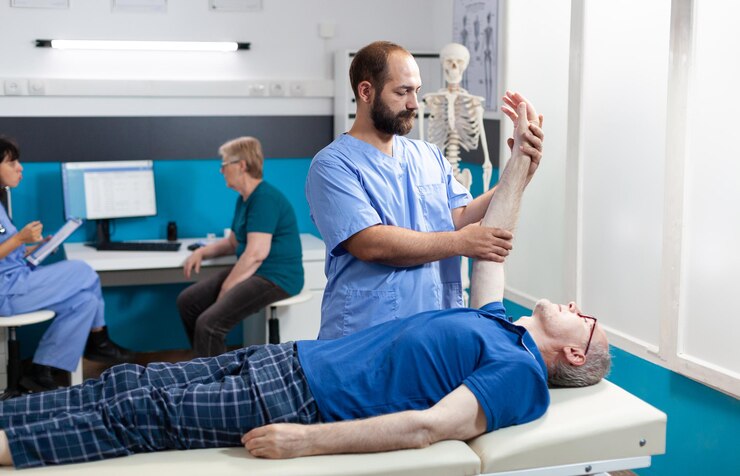
Orthopedic pain, whether originate from arthritis, joint injuries, or other musculoskeletal conditions, can majorly impact your quality of life. While professional treatment is essential, especially if you’re searching help from the Best Knee Replacement Surgeon in Delhi, there are many home-based strategies that can help reduce your discomfort. This blog will guide you through effective methods to manage orthopedic pain at home, making sure that you maintain an active and fulfilling lifestyle.
Understanding Orthopedic Pain
Orthopedic pain can come to light from many sources, including joint degeneration, injuries, and chronic conditions like arthritis. Common symptoms include stiffness, swelling, and a reduced range of motion, often affecting your daily activities. While consulting the Best Orthopedic Doctor in North Delhi is important for a thorough diagnosis and treatment plan, managing pain at home is equally important for your overall well-being.
1. Rest and Activity Modification
One of the most effective ways to manage orthopedic pain is by balancing rest and activity. Resting the affected area helps reduce inflammation and pain. However, complete inactivity can lead to stiffness and muscle atrophy, aggravate your condition. It’s important to modify your activities to avoid aggravating the pain. For example, if you have knee pain, avoid high-impact exercises and opt for low-impact activities like swimming or cycling. Consulting with the Orthopedic Doctor in Rajouri Garden can help you determine the right balance between rest and activity based on your specific condition.
2. Cold and Heat Therapy
Cold and heat therapies are simple yet effective methods to alleviate orthopedic pain. Applying ice packs to the affected area can help reduce inflammation and numb the pain, making it particularly useful for acute injuries. On the other hand, heat therapy, such as warm baths or heating pads, can relax muscles, reduce stiffness, and improve blood circulation. Alternating between cold and heat treatments can be particularly beneficial. If you’re not sure which method is best for your condition, the Best Knee Replacement Surgeon in Delhi can provide customized advice.
3. Over-the-Counter Medications
Over-the-counter (OTC) medications like nonsteroidal anti-inflammatory drugs (NSAIDs) can help manage pain and reduce inflammation. Common options include ibuprofen and naproxen, which are effective for short-term relief. However, long-term use of these medications should be done under the guidance of the Best Orthopedic Doctor in North Delhi to avoid potential side effects such as gastrointestinal issues or kidney damage.
4. Physical Therapy Exercises
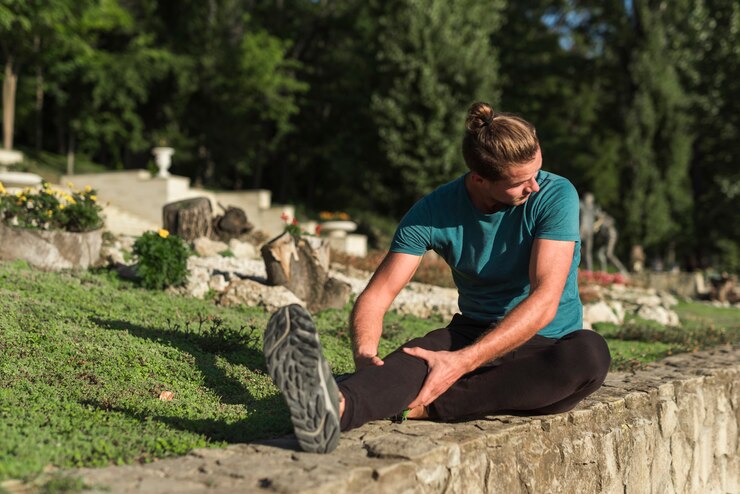
Engaging in physical therapy exercises is necessary for managing orthopedic pain, especially for conditions like arthritis or after surgery. These exercises help strengthen the muscles around the affected joints, improve flexibility, and reduce pain. A physical therapist, often recommended by the Orthopedic Doctor in Rajouri Garden, can accordingly an exercise program specific to your needs. Regularly performing these exercises at home can majorly improve your mobility and decrease pain levels.
5. Weight Management
Maintaining a healthy weight is essential in managing orthopedic pain, particularly for conditions affecting weight-bearing joints like the knees and hips. Excess weight adds stress to these joints, make worse pain and potentially leading to further joint damage. Adopting a balanced diet and regular exercise routine can help you achieve and maintain a healthy weight. If you’re considering surgery and need guidance on weight management, the Best Knee Replacement Surgeon in Delhi can provide complete support.
6. Proper Posture and Ergonomics
Poor posture and improper ergonomics can contribute to orthopedic pain, especially in the back, neck, and shoulders. making sure that you maintain proper posture while sitting, standing, and even sleeping can help reduce pain and prevent further strain on your joints. If you work at a desk, make sure your workspace is ergonomically designed to reduce the risk of pain. The Best Orthopedic Doctor in North Delhi can provides you an advice on maintaining proper posture and recommend ergonomic adjustments to your daily routine.
7. Assistive Devices
Using assistive devices like braces, splints, or orthotics can provide additional support to painful joints, helping you manage pain more effectively. These devices are particularly useful for conditions like osteoarthritis, where joint stability is compromised. A consultation with the Orthopedic Doctor in Rajouri Garden can help you choose the right assistive device based on your specific needs.
8. Mind-Body Techniques
Orthopedic pain is not just physical; it can also affect your mental well-being. Mind-body techniques like meditation, deep breathing exercises, and yoga can help manage pain by reducing stress and promoting relaxation. These techniques can be a valuable addition to your pain management plan, especially when combined with other home-based strategies. The Best Knee Replacement Surgeon in Delhi may recommend these practices as part of a holistic approach to pain management.
9. Dietary Supplements
Certain dietary supplements, such as glucosamine, chondroitin, and omega-3 fatty acids, have been shown to support joint health and reduce inflammation. Before starting any supplement regimen, it’s important to consult with the Best Orthopedic Doctor in North Delhi to makes sure that they are safe and appropriate for your condition. These supplements can be an effective complement to other pain management strategies, providing additional relief.
10. Hydrotherapy
Hydrotherapy, or water-based exercises, can be particularly beneficial for individuals with many joint pain or limited mobility. The ability of water reduces the stress on joints, allowing you to exercise without exacerbating pain. Hydrotherapy can improve circulation, reduce stiffness, and promote relaxation. If you’re interested in incorporating hydrotherapy into your routine, the Orthopedic Doctor in Rajouri Garden can guide you on how to get started safely.
11. Sleep and Recovery
Adequate sleep is important for the body’s healing process, particularly when managing orthopedic pain. Poor sleep can exacerbate pain and hinder recovery. Ensure your sleeping environment is comfortable and supportive, and consider using pillows to cushion painful areas. The Best Knee Replacement Surgeon in Delhi may provide specific recommendations for improving your sleep quality, especially after surgery.
12. Stay Informed and Proactive
Managing orthopedic pain at home requires staying informed about your condition and being proactive in your care. Regularly consult with your healthcare provider, whether it’s the Best Orthopedic Doctor in North Delhi or another specialist, to monitor your progress and adjust your management plan as needed. Being proactive in your care can help you maintain control over your pain and improve your quality of life.
Conclusion
Orthopedic pain can be challenging, but with the right strategies, you can manage it effectively at home. From rest and activity modification to using convenient devices and practicing mind-body techniques, there are many ways to reduce pain and improve your daily functioning. Remember, it’s essential to consult with professionals like the Orthopedic Doctor in Rajouri Garden or the Best Knee Replacement Surgeon in Delhi to customize these strategies to your specific needs. By taking a complete approach to managing your pain, you can increase your well-being and continue to lead an active and fulfilling life
 Orthopedic Surgeon in Delhi - Dr. Saksham Mittal