
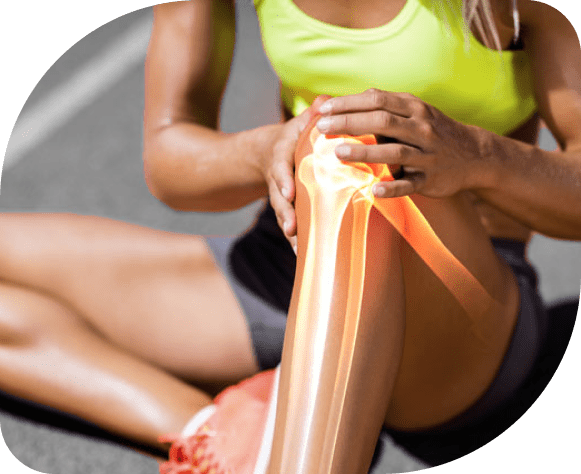
In the realm of physical activity, sports injuries are an unfortunate but prevalent occurrence. Athletes, whether they be amateurs or professionals, often experience a wide range of injuries during their careers. These injuries can be a result of acute trauma, overuse, or poor training practices. As a sports injury orthopedic doctor in Delhi, it is essential to understand the most common sports injuries to diagnose, treat, and prevent them effectively. This comprehensive guide will delve into the various types of injuries athletes frequently encounter and offer insights into the management and prevention of these injuries.
Types of Common Sports Injuries
Sprains and Strains
Sprains involve the stretching or tearing of ligaments, which are tough bands connecting bones at a joint. Strains, on the other hand, are injuries to the muscles or tendons. These injuries can occur in various parts of the body, with the ankles and knees being particularly susceptible. Athletes often experience these injuries due to sudden, forceful movements or overexertion.
Fractures
Fractures are broken bones, and they can range from minor hairline fractures to complete breaks. Sports like football, rugby, and hockey often lead to fractures, primarily in the extremities. Prompt diagnosis and treatment are vital to ensure proper healing and the avoidance of complications.
Tendinitis
Tendinitis occurs when tendons become inflamed due to overuse. It is a common issue among athletes who engage in repetitive motions. Tennis elbow and Achilles tendinitis are two classic examples of this condition.
Dislocations
Dislocations take place when the bones forming a joint are forced out of their normal position. They are often accompanied by intense pain and require immediate medical attention. Sports like rugby and wrestling can lead to dislocations.
Concussions
Head injuries in sports can lead to concussions, which are traumatic brain injuries. They can result from blows to the head and are common in contact sports like football. Proper evaluation and management are crucial, as repeated concussions can have long-term consequences.
Meniscus Tears
The meniscus is a C-shaped cartilage in the knee joint that can be torn, often due to sudden twisting motions. Meniscus tears are prevalent in sports that involve pivoting and changing direction rapidly, such as soccer and basketball.
Rotator Cuff Injuries
The rotator cuff is a group of muscles and tendons in the shoulder joint. Injuries to the rotator cuff are frequent in sports that require overhead motions, like baseball or swimming. These injuries can lead to pain, weakness, and limited mobility in the shoulder.
Diagnosis and Treatment
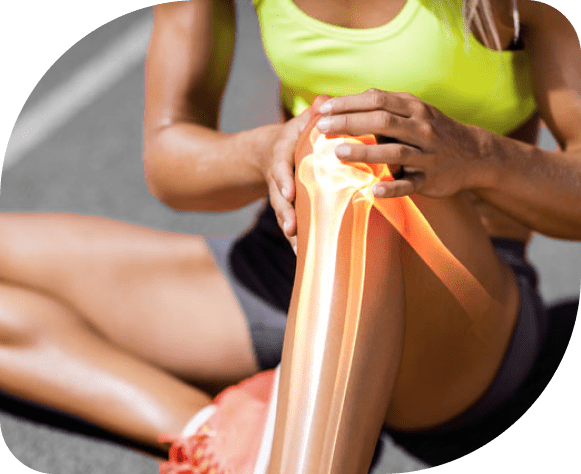
As a sports injury orthopedic doctor in Delhi, the first step in addressing these common sports injuries is to provide an accurate diagnosis. This involves a thorough examination, which may include imaging tests such as X-rays, MRI scans, or ultrasounds. Proper diagnosis is essential to determine the most suitable treatment plan.
Conservative Treatment: Many sports injuries can be managed non-surgically. This often includes rest, physical therapy, and the use of braces or other supportive devices to promote healing.
Surgical Intervention: In cases where conservative methods are ineffective or inappropriate, surgery may be necessary. Surgical procedures may involve the repair of torn ligaments, tendons, or the stabilization of fractures.
Rehabilitation: Following treatment, a crucial component of recovery is rehabilitation. Physical therapy plays a vital role in helping athletes regain strength, flexibility, and function.
Prevention of Common Sports Injuries
Prevention is always better than cure, and athletes can take several steps to reduce the risk of these injuries:
Proper Conditioning: Athletes should engage in conditioning exercises to build strength and flexibility in the muscles and joints relevant to their sport.
Adequate Warm-Up and Cool Down: Proper warm-up and cool-down routines are essential to prepare the body for activity and aid in recovery.
Correct Technique: Coaches and trainers should emphasize correct techniques to reduce the risk of injury during training and competition.
Use of Protective Gear: Athletes should wear appropriate protective gear, such as helmets, padding, and supportive braces.
Rest and Recovery: Adequate rest and recovery between training sessions and competitions are crucial to prevent overuse injuries.
Nutrition and Hydration: A balanced diet and proper hydration are essential to maintain the body’s strength and resilience.
The Role of a Sports Injury Orthopedic Doctor in Delhi
As a specialized Sports Injury Orthopedic Doctor in Delhi, your expertise is vital in the care of athletes with these injuries. Your role encompasses:
Accurate Diagnosis: Providing precise diagnoses through clinical examination and diagnostic tests.
Customized Treatment Plans: Creating individualized treatment plans tailored to the athlete’s specific injury and needs.
Surgical Expertise: Conducting surgical procedures when necessary, utilizing the latest techniques and technology.
Rehabilitation: Overseeing the rehabilitation process to ensure a complete and safe recovery.
Education: Educating athletes on injury prevention and management, and offering guidance on safe return to sports.
Support and Empathy: Offering emotional support and understanding to athletes as they navigate the physical and psychological challenges of injury.
Conclusion
In the world of sports, injuries are an inherent risk that athletes face. Understanding the types of common sports injuries, their diagnosis, treatment, and prevention is essential for athletes and the medical professionals who care for them. As a sports injury orthopedic doctor in Delhi, your role is pivotal in ensuring that athletes receive the best possible care. By offering accurate diagnosis, tailored treatment plans, and comprehensive rehabilitation, you contribute to the well-being and successful recovery of athletes, helping them get back to doing what they love most.
 Orthopedic Surgeon in Delhi - Dr. Saksham Mittal