
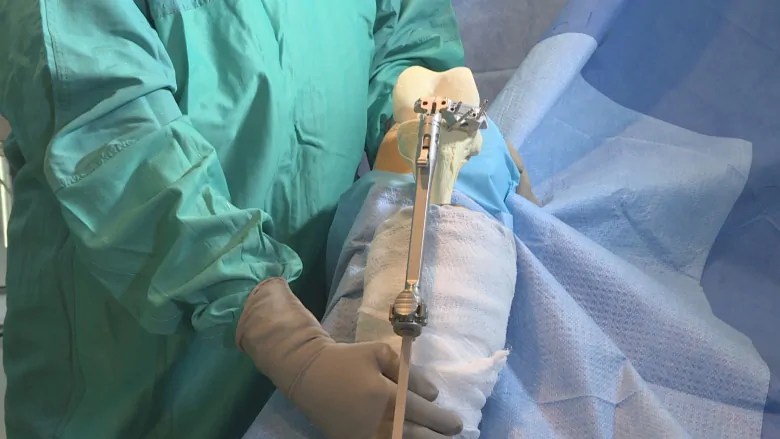
Knee replacement surgery, also known as knee arthroplasty, is a surgical procedure designed to alleviate chronic knee pain and improve mobility in individuals with severe knee joint damage or degeneration. This article provides a comprehensive overview of knee replacement surgery, including the procedure itself, the recovery process, and realistic expectations for patients considering this option. Additionally, we will touch upon the importance of finding the best knee replacement surgeon in Delhi, particularly in Dwarka, to ensure a successful outcome.
What is Knee Replacement Surgery?
Knee replacement surgery is a medical intervention primarily used to treat individuals suffering from debilitating knee conditions, such as osteoarthritis, rheumatoid arthritis, or post-traumatic arthritis. These conditions lead to the deterioration of the knee joint’s cartilage, causing pain, stiffness, and limited mobility. Knee replacement offers a promising solution for patients who have exhausted conservative treatments like medication, physical therapy, or injections.
Procedure Overview
Pre-surgical Evaluation: The journey towards knee replacement begins with a thorough examination by an Orthopedic Doctor in Dwarka. During this evaluation, the patient’s medical history, knee function, and overall health are assessed to determine candidacy for the surgery.
Surgical Options: Knee replacement surgery comes in two primary forms: total knee replacement (TKR) and partial knee replacement (PKR). The choice between these options depends on the extent of knee damage.
- Total Knee Replacement (TKR): In this procedure, the entire knee joint is replaced with an artificial prosthesis. This is the most common type of knee replacement.
- Partial Knee Replacement (PKR): If only one compartment of the knee is affected, a partial knee replacement may be recommended. This involves replacing only the damaged portion, preserving healthy tissue.
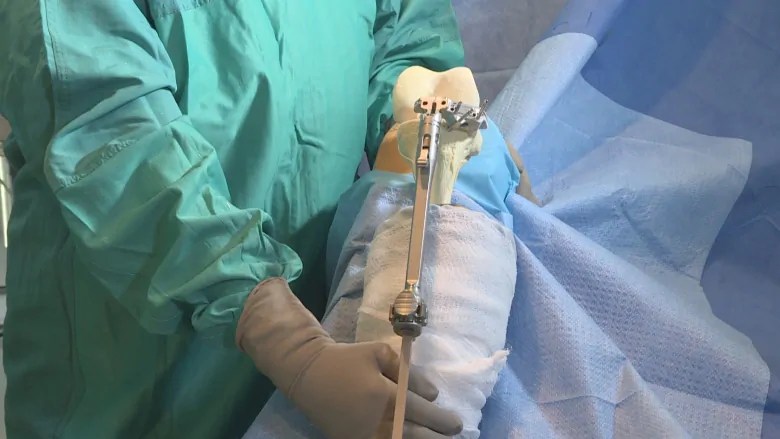
The Surgical Process: The surgery typically takes a few hours and is performed under anesthesia. During the procedure, the surgeon removes damaged cartilage and bone and replaces them with metal and plastic components that mimic the natural knee joint. Precision is crucial in aligning the components to ensure proper function.
Recovery Room: After surgery, patients are monitored in a recovery room to ensure they are stable and comfortable.
Finding the Best Knee Replacement Surgeon in Delhi, Dwarka
One of the most critical factors in the success of knee replacement surgery is the skill and experience of the surgeon. Patients in Dwarka, Delhi, have access to numerous orthopedic doctors, but it’s essential to choose the Best Knee Replacement Surgeon in Delhi for optimal outcomes.
To find the best knee replacement surgeon:
- Research: Conduct thorough research online and ask for recommendations from your primary care physician or friends and family.
- Credentials: Verify the surgeon’s credentials, including board certification and experience with knee replacement procedures.
- Patient Reviews: Read patient reviews and testimonials to gauge the surgeon’s reputation and patient satisfaction.
- Consultation: Schedule consultations with potential surgeons to discuss your condition, treatment options, and your surgeon’s approach.
- Ask Questions: Don’t hesitate to ask questions about the surgeon’s success rate, complication rates, and the hospital where the surgery will be performed.
Recovery Process
Recovery from knee replacement surgery is a gradual process that involves various stages. Understanding what to expect during this period can help patients prepare both mentally and physically.
Hospital Stay
Immediate Postoperative Care: Patients are closely monitored in the hospital immediately after surgery to manage pain, prevent infection, and ensure the knee joint’s stability. Physical therapy may begin during this time to encourage joint mobility.
Length of Stay: The length of the hospital stay varies but is typically around 3 to 5 days, depending on individual progress.
Rehabilitation and Physical Therapy
Home Exercises: Patients are usually discharged with a set of home exercises to improve knee mobility and strength.
Outpatient Physical Therapy: Most patients continue physical therapy on an outpatient basis to regain strength and range of motion.
Pain Management
Pain Medication: Medications are prescribed to manage postoperative pain, and these are gradually reduced as recovery progresses.
Icing and Elevation: Applying ice and elevating the leg can help reduce swelling and discomfort.
Mobility Aids
Crutches or Walker: Patients may require mobility aids such as crutches or a walker for a brief period after surgery.
Return to Normal Activities
Driving: Typically, patients can resume driving when they regain control of their knee and can safely operate a vehicle.
Work and Daily Activities: Returning to work and daily activities varies from person to person and depends on the type of job and individual progress.
Realistic Expectations
Knee replacement surgery offers significant pain relief and improved joint function, but it’s essential to have realistic expectations regarding the outcome.
Pain Relief
Immediate Relief: Many patients experience immediate relief from the intense pain they had before surgery.
Long-Term Results: While pain relief is substantial, some discomfort and stiffness may persist during the recovery period.
Improved Mobility
Gradual Improvement: Regaining full range of motion and strength in the knee may take several weeks to months of dedicated physical therapy and exercise.
Lifespan of Implants
Longevity: Modern knee implants are designed to last for 15-20 years or more, but their lifespan can be influenced by factors such as activity level, weight, and overall health.
Realistic Expectations
Consult with Surgeon: Discuss your expectations with your surgeon to gain a clear understanding of what you can achieve post-surgery based on your specific condition.
Conclusion
Knee replacement surgery is a transformative procedure that can significantly improve the quality of life for individuals suffering from severe knee joint conditions. Finding the best knee replacement surgeon in Delhi, particularly in Dwarka, is a crucial step in ensuring a successful outcome. It’s essential for patients to approach the surgery with a clear understanding of the procedure, the recovery process, and realistic expectations for pain relief and improved mobility. By doing so, patients can embark on their journey to a pain-free and more active life.
 Orthopedic Surgeon in Delhi - Dr. Saksham Mittal